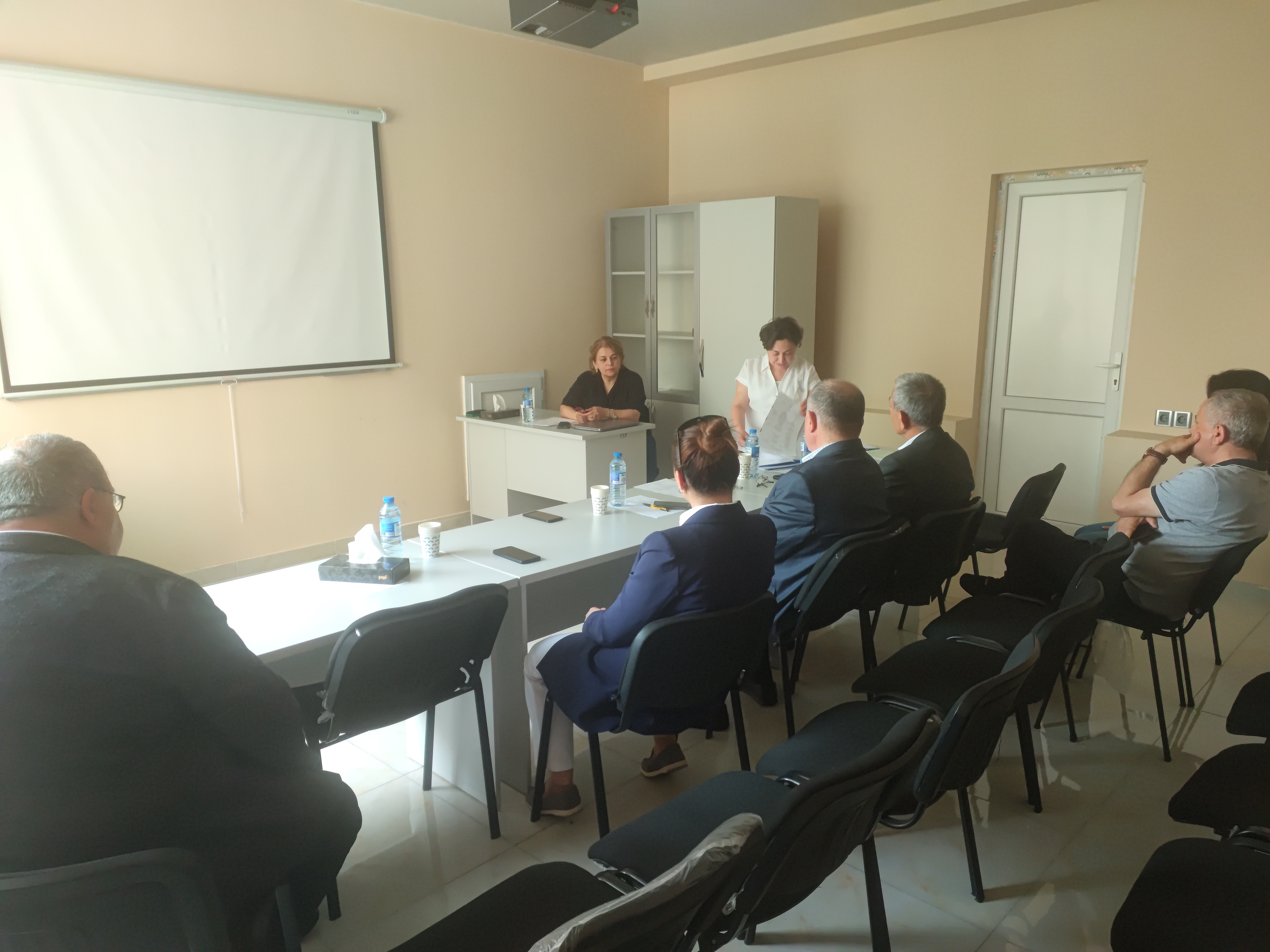
At the next meeting of the Scientific Council of the Biophysics Institute, the director's report on the scientific and organizational activities of the laboratories for 2025 was presented

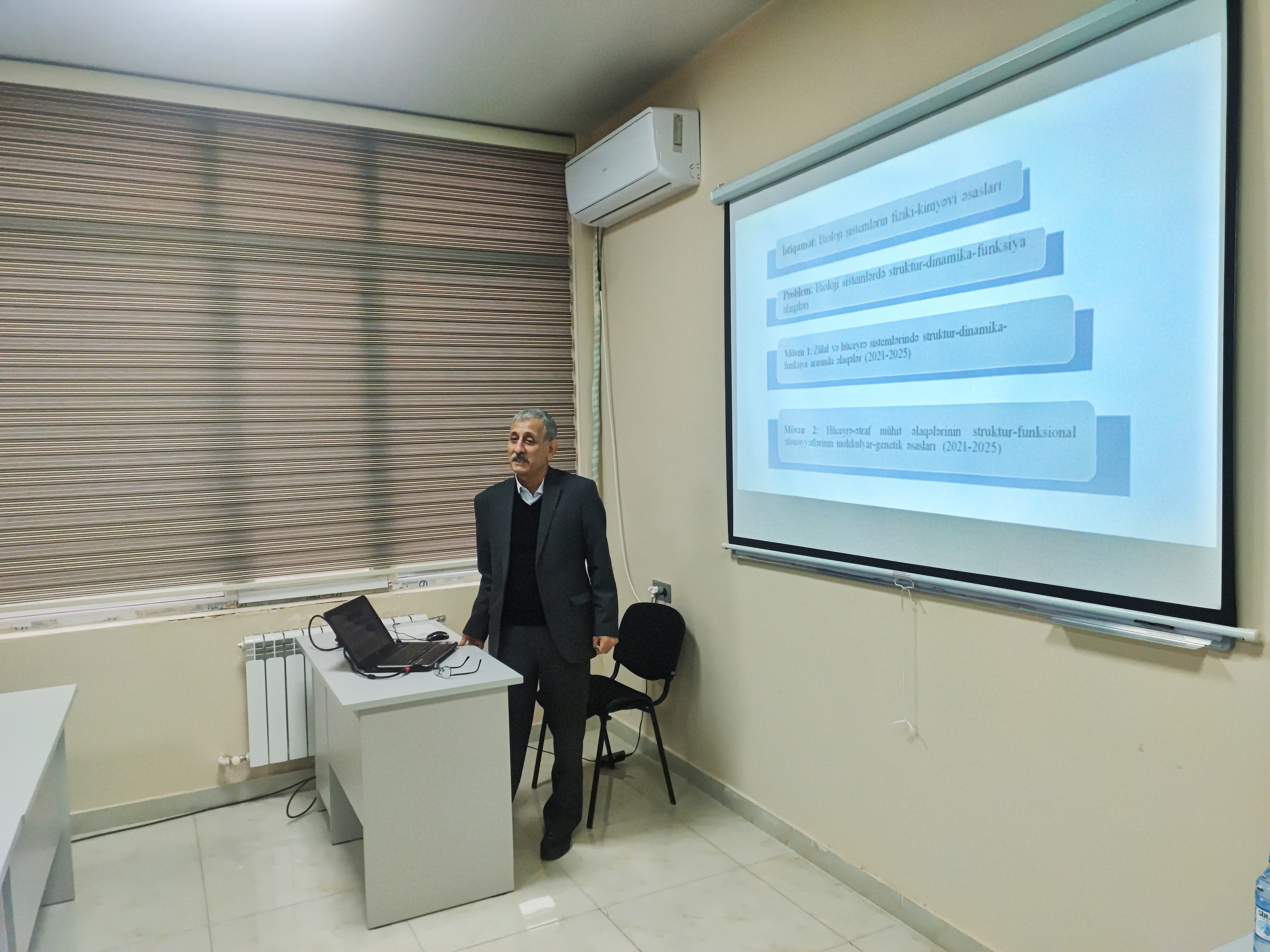
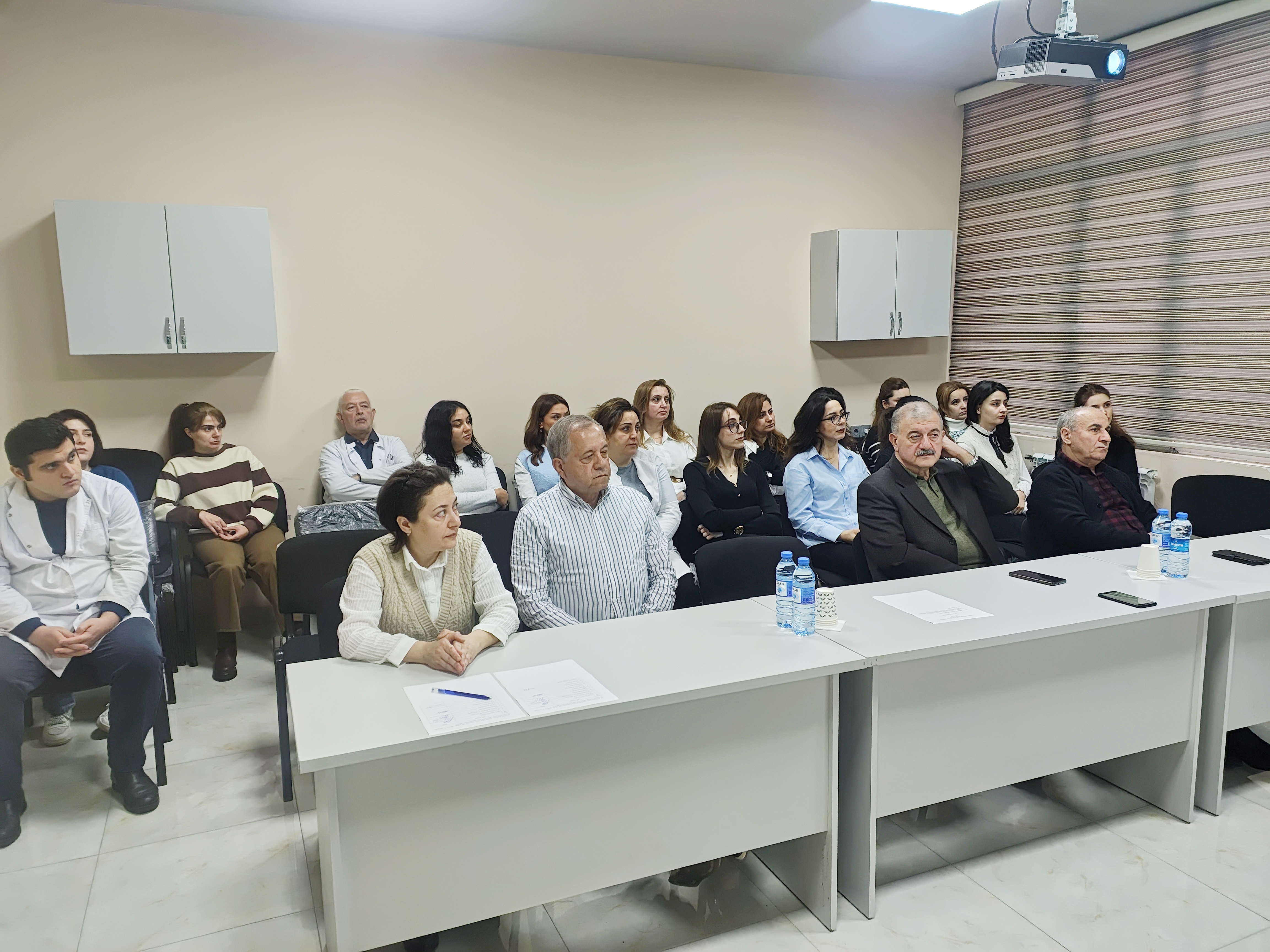
The 2025 meeting of the Scientific Council of the Biophysics Institute featured a report on the scientific and organizational activities of the institute's laboratories. The meeting was opened by the institute’s Director General, Corresponding Member of ANAS Oktay Gasimov, and the report was presented by the Executive Director, Doctor of Biological Sciences Karim Gasimov. He outlined the work carried out in accordance with the decrees and orders of the President, as well as the decisions of the Cabinet of Ministers and the Ministry of Science and Education, including research priorities, structural innovations, human resources, and achieved results.
In 2025, research at the Biophysics Institute was primarily conducted in the areas of “Physical and Chemical Foundations of Biological Systems” focusing on “Relationships between structure, dynamics, and function in protein and cellular systems” and “Molecular-genetic basis of structural-functional characteristics of cell–environment interactions.” The studies were carried out in six directions and 13 stages. The results obtained were aligned with international standards and reflected in scientific publications, conference materials, and annual reports.
Within molecular and biomolecular research, the behavior of human plasma apo-albumin in monomeric and nanoparticle forms as a drug carrier was investigated. Binding site dynamics, dissociation constants, and the effect of palmitic acid on the EQRPR-C16 lipopeptide were determined using EPR spectroscopy and molecular docking methods. The structural-functional properties of anti-cancer lipopeptides were analyzed using various spectroscopic methods. Comparative analysis of lipids combined with artificial intelligence models enabled high-accuracy classification of healthy and carcinoma samples.
In neurodegenerative disease studies, conformational changes of the β-Amyloid peptide (amino acids 25–35) in DPPC environments and in the presence of cholesterol were examined, showing that the α-helix, β-sheet, and irregular structures of the peptide depend on the lipid environment.
In samples of lung carcinoma and healthy individuals’ tissues and plasma, the hereditary T790M mutation of the EGFR gene was identified for the first time in Azerbaijan, confirming its significance as a biomarker for assessing familial cancer risk.
Functional studies of cell signaling and ion channels revealed a novel structure–functional domain in the cytoplasmic region of the large potassium (BK) channel, similar to cytochrome C. During the year, the conserved residues and motifs of ErbB2 and ErbB3 receptors were analyzed, providing insights for the development of next-generation therapies. ALPHA-FOLD modeling results showed that frame shifts in protein tandem repeats create new protein structures and functions.
In 2025, the institute’s staff published 24 scientific articles, 6 conference materials, and 13 abstracts, most of which were indexed in international databases (WOS and Scopus). International collaborations continued with universities and research centers in the USA, Italy, Turkey, Israel, Portugal, Belarus, and France. Additionally, PhD students, postgraduates, Baku State University students, and high school students participated in laboratory experiments at the institute, with winners of the “Scientists of Tomorrow” competition earning opportunities to participate in international competitions.
These studies demonstrate the Biophysics Institute’s achievements in various fields of science and create opportunities for the development of new diagnostic and therapeutic methods in medicine, biotechnology, and molecular biophysics.