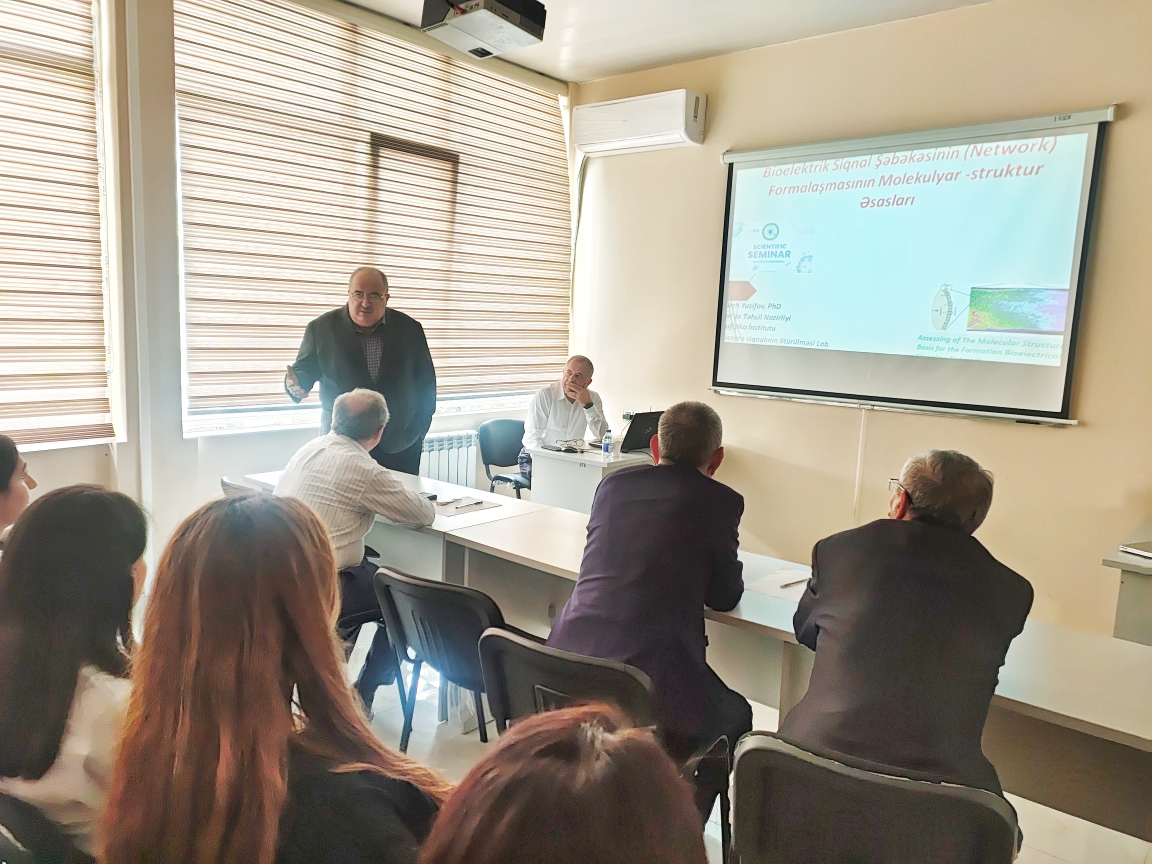
A scientific seminar on “Mechanism of heme-controlled bioelectric signal transduction” was held at the Institute of Biophysics

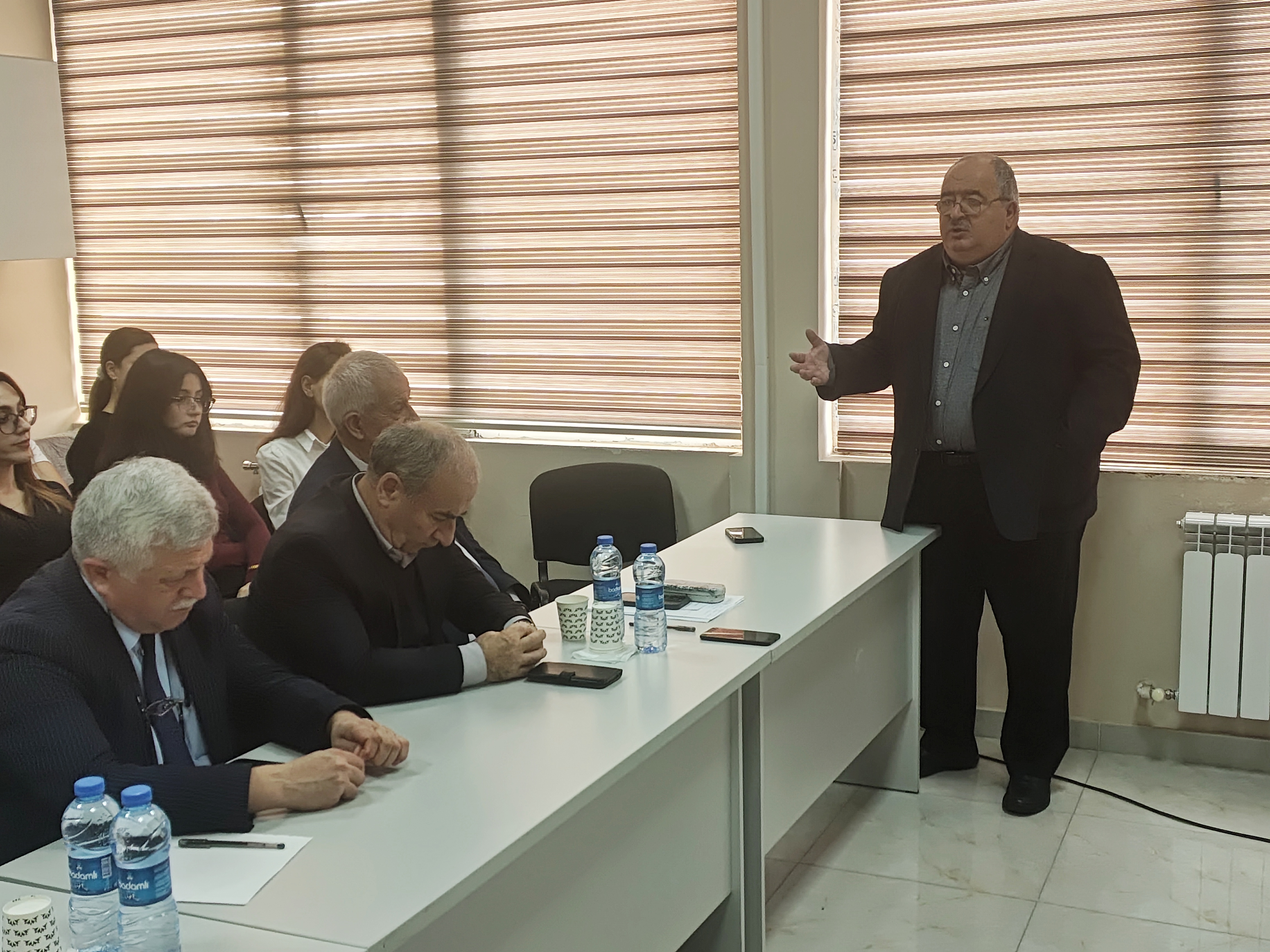
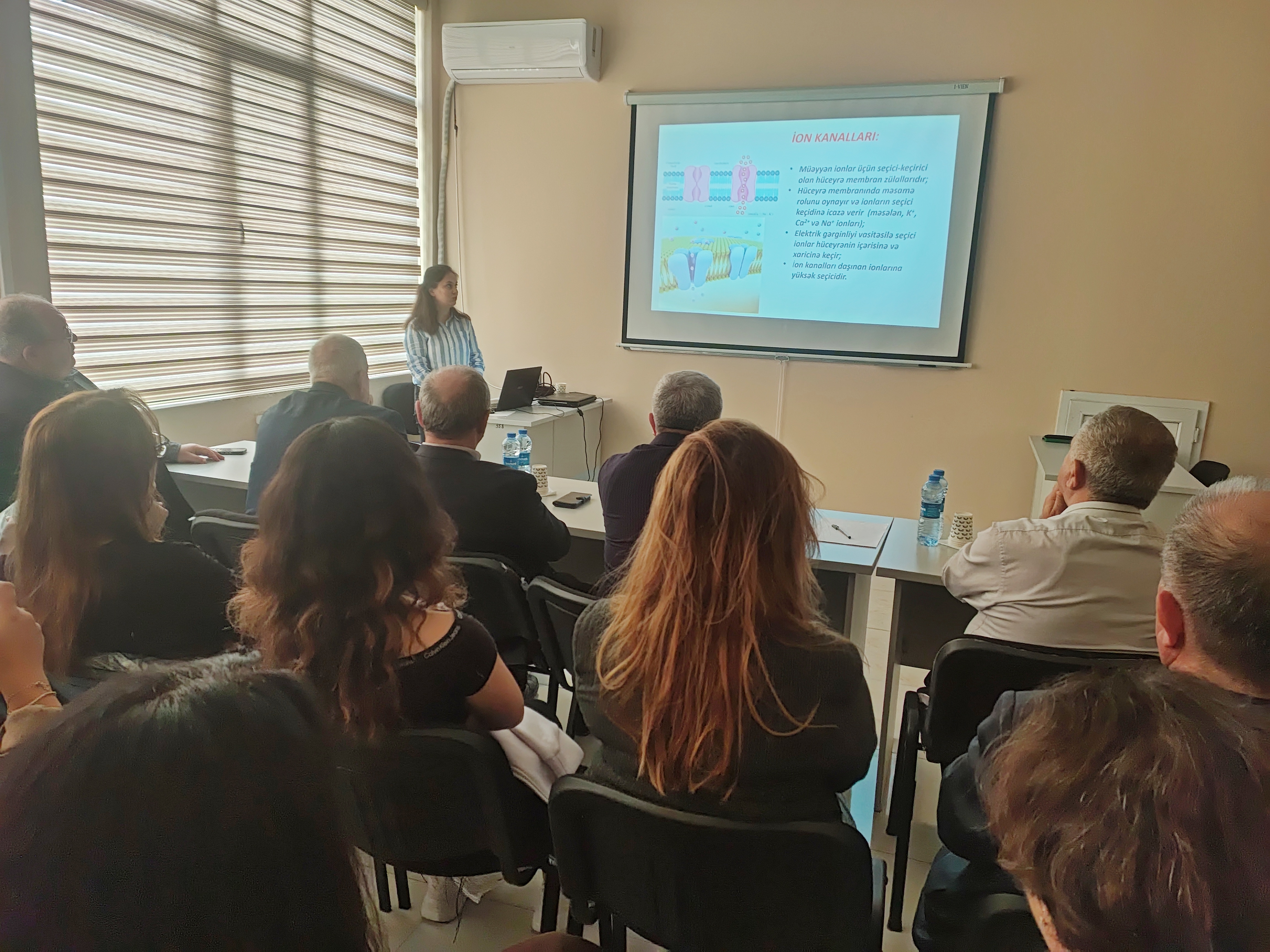
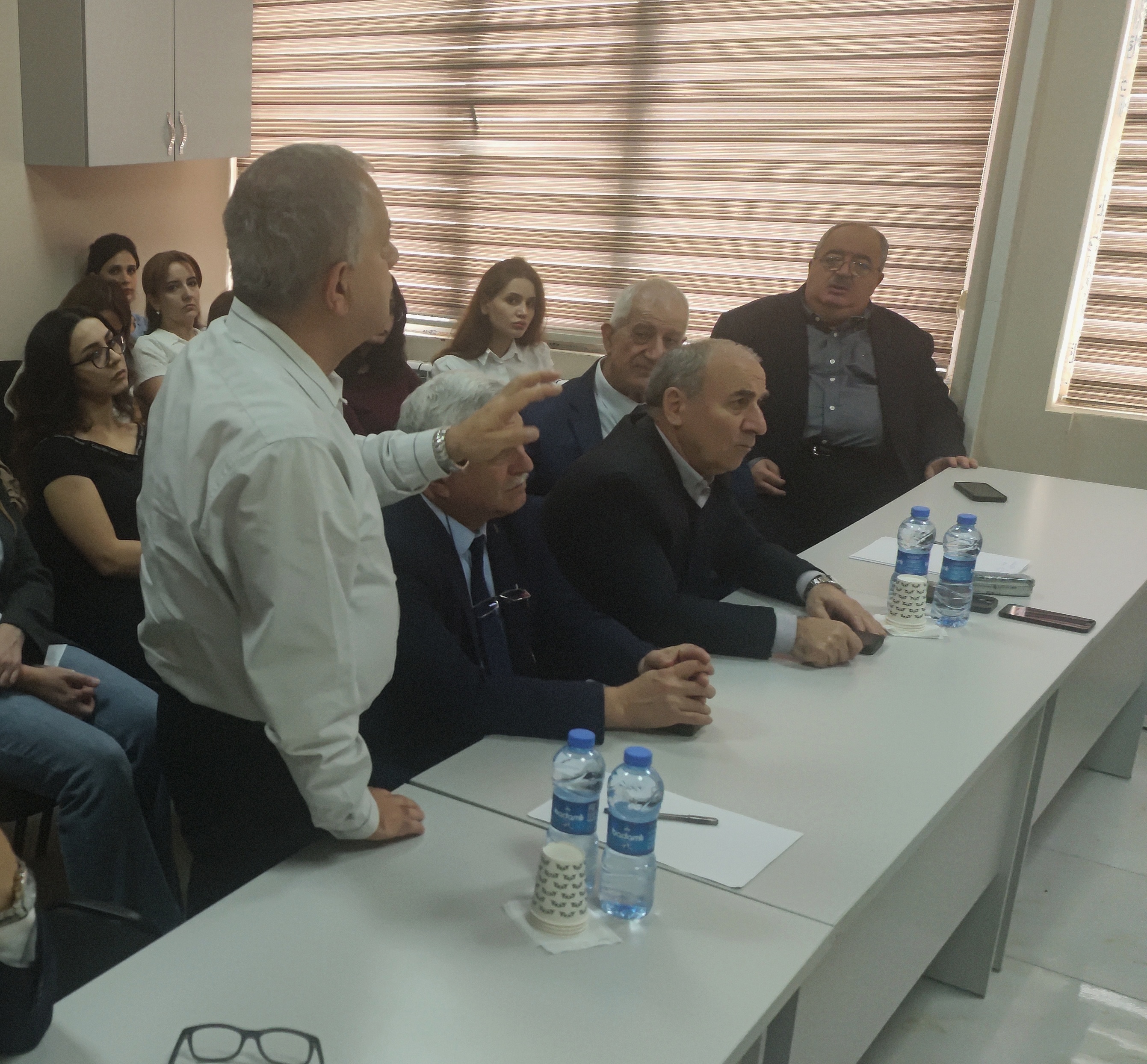
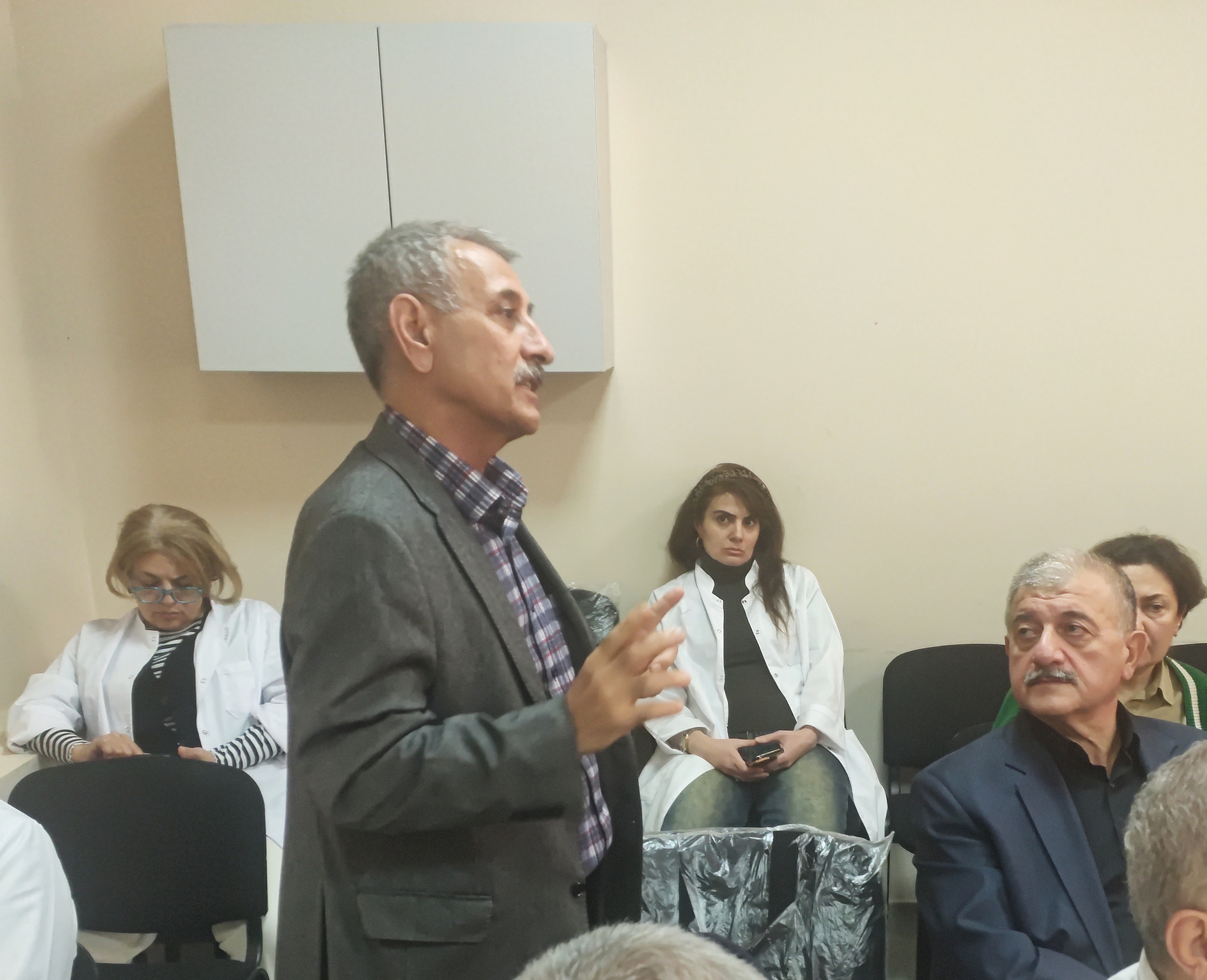
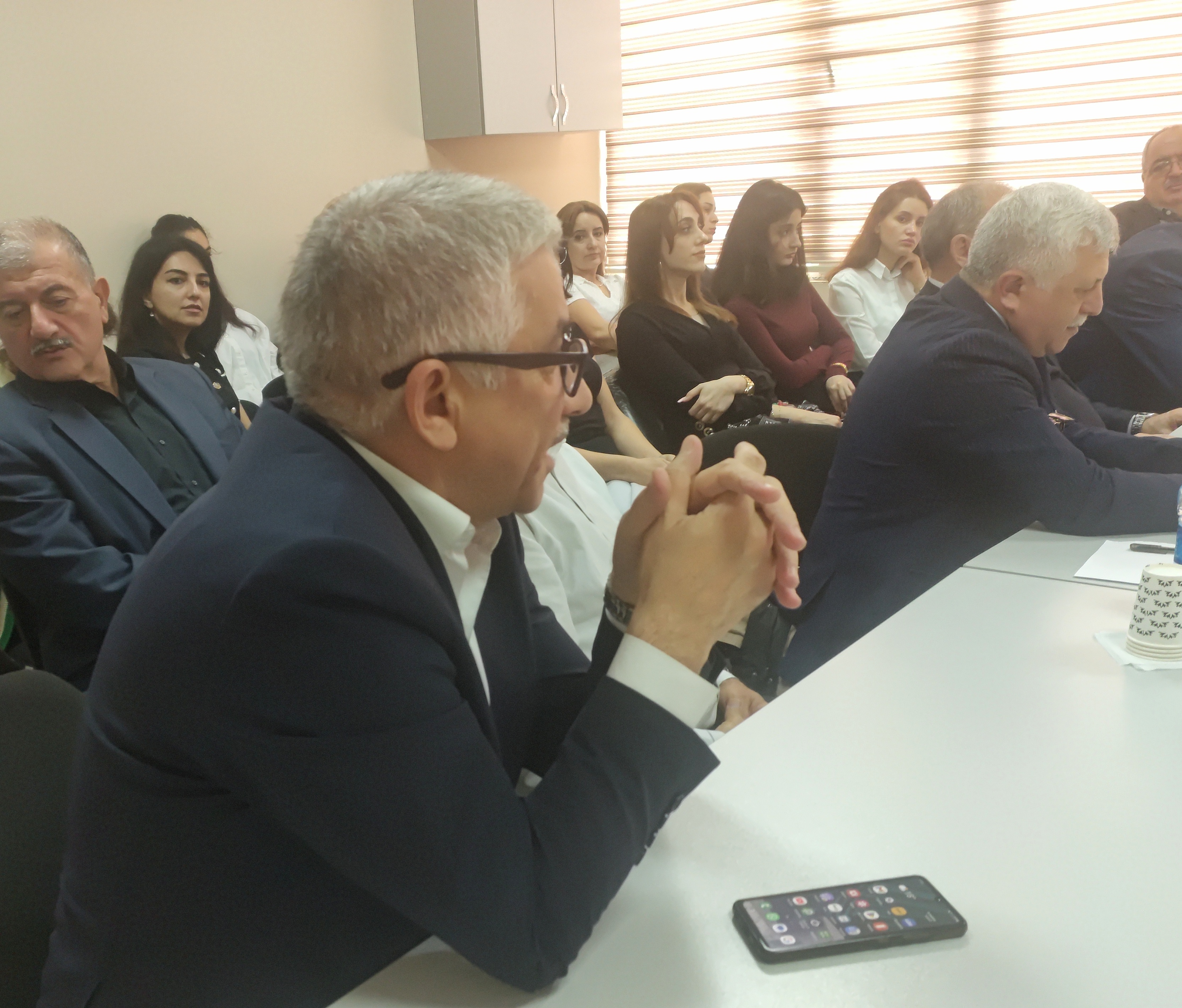
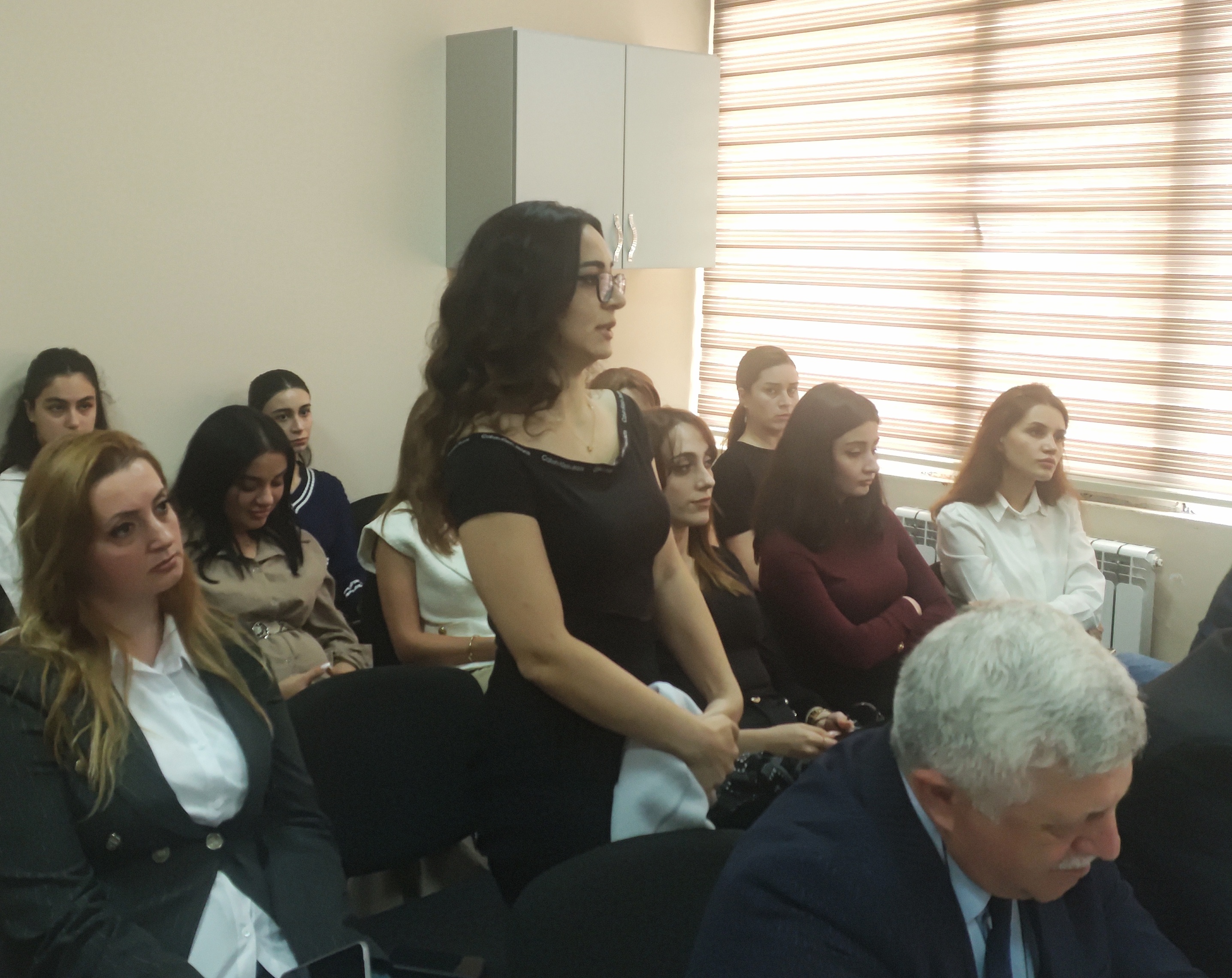
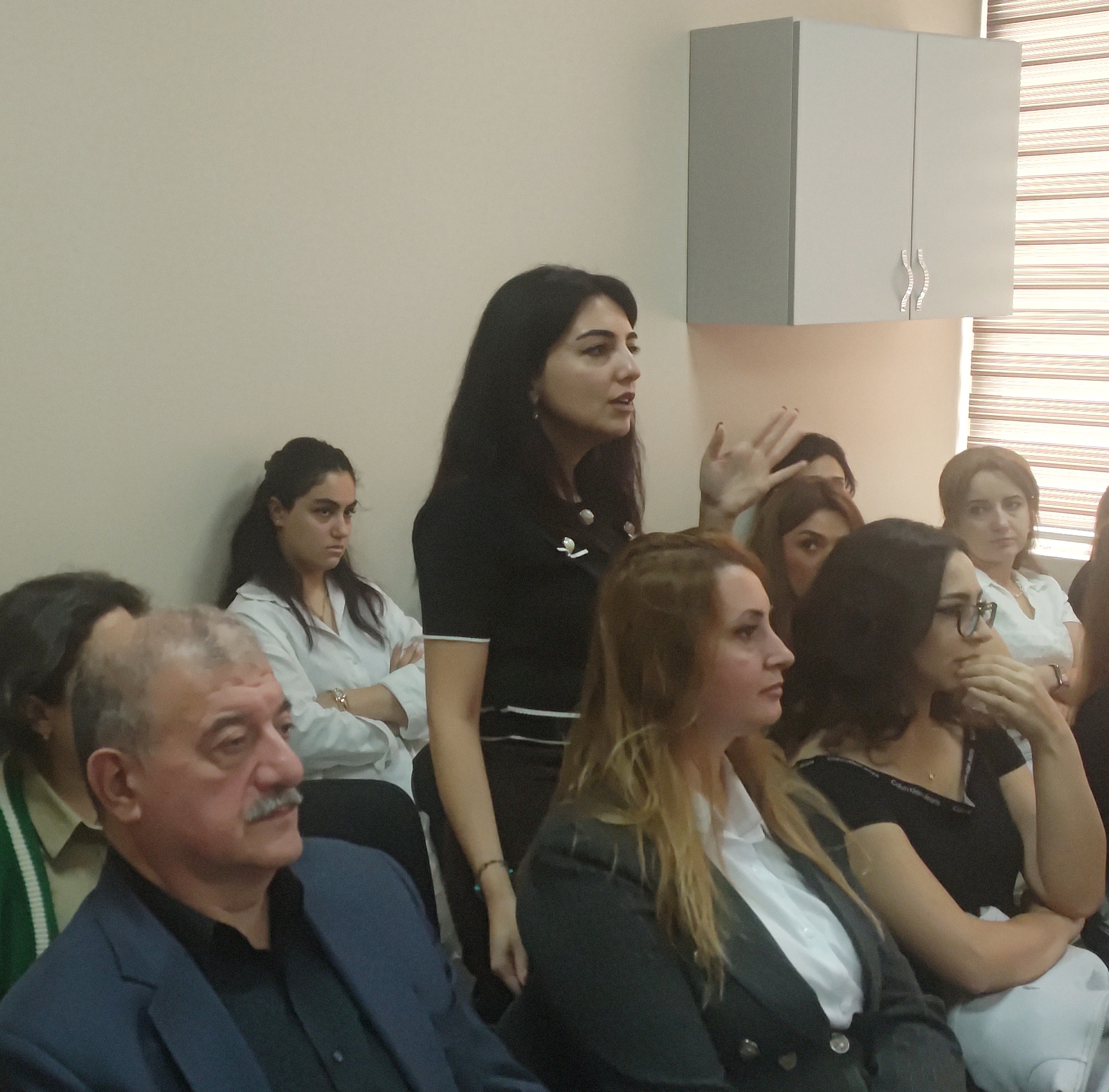
A scientific seminar dedicated to the “80th anniversary of the Azerbaijan National Academy of Sciences (ANAS)” on the topic “Mechanism of heme-controlled bioelectric signal transduction” was held at the Institute of Biophysics of the Ministry of Science and Education of the Republic of Azerbaijan.
The event was opened by the General Director of the Institute of Biophysics, Corresponding Member of ANAS Oktay Gasimov, who welcomed the seminar participants and invited guests – Head of the Department of Biophysics and Biochemistry at the Faculty of Biology of Baku State University, Doctor of Physical and Mathematical Sciences, Professor Rovshan Khalilov, and Junior Researcher at the Research Laboratory under the Department of Biological Chemistry of the Azerbaijan Medical University, Hafiz Osmanov.
In his opening speech, Oktay Gasimov emphasized the relevance of the seminar and noted that ion channels play a crucial role in regulating cell activity. “Ion channels are among the main elements of energy exchange in biological systems. They are critically important in cardiological, neurophysiological, and oncological processes, as energy metabolism directly depends on ion fluxes,” the scientist stated.
Afterward, Aysel A. Aliyeva, Junior Researcher at the Laboratory of “Cell Signal Transduction” of the Institute of Biophysics, delivered a detailed scientific presentation on the topic. The speaker explained the mechanism by which heme affects ion channel activity and presented its role in the transmission of bioelectric signals in cells.
Aysel Aliyeva noted that ion channels are membrane proteins selectively permeable to certain ions, and their activity can be regulated by signaling molecules such as heme. She presented recent scientific data on the interaction between heme and various types of ion channels, including KATP, ENaC, Kv1.4, Kv10.1, Kv11.3, and BK channels.
The report also stated that the effect of the heme molecule on channel activity varies: for example, it increases the activity of the KATP channel, while it decreases the activity of ENaC and Kv10.1 channels. The results also showed that heme acts as an important signaling molecule in regulating BK channel function.
During the presentation, detailed information was provided on the structural analysis of the heme-sensitive domain located in the C-terminal part of the BK channel, the similarities with the cytochrome C family, and how these structural analogies influence the functional mechanism of the channel.
At the end of the seminar, participants exchanged views on the topic, and Aysel Aliyeva thoroughly answered the questions raised. Concluding the event, Corresponding Member of ANAS Oktay Gasimov thanked the young researcher for her interesting and scientifically significant presentation, emphasizing the importance of continuing this research in the international scientific arena.