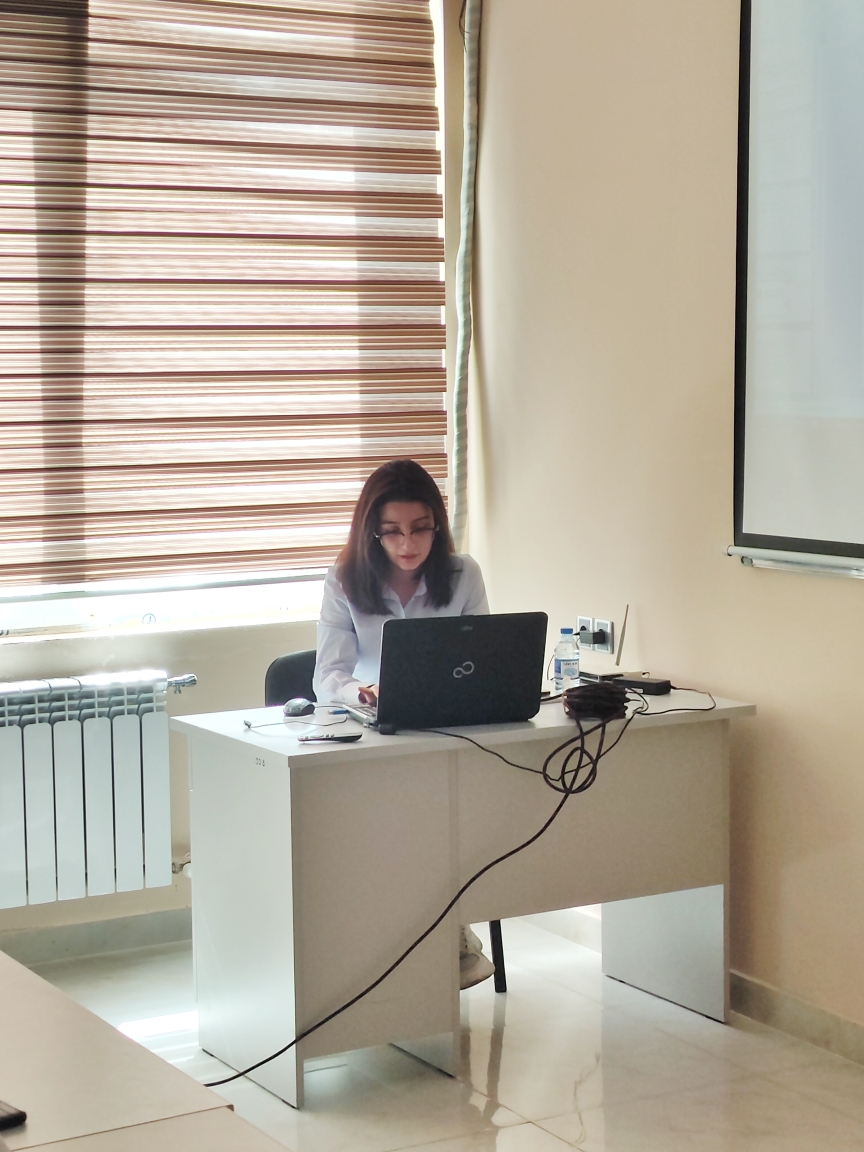
Scientific seminar dedicated to the 120th anniversary of academician Yusif Mammadaliyev held at the Institute of Biophysics

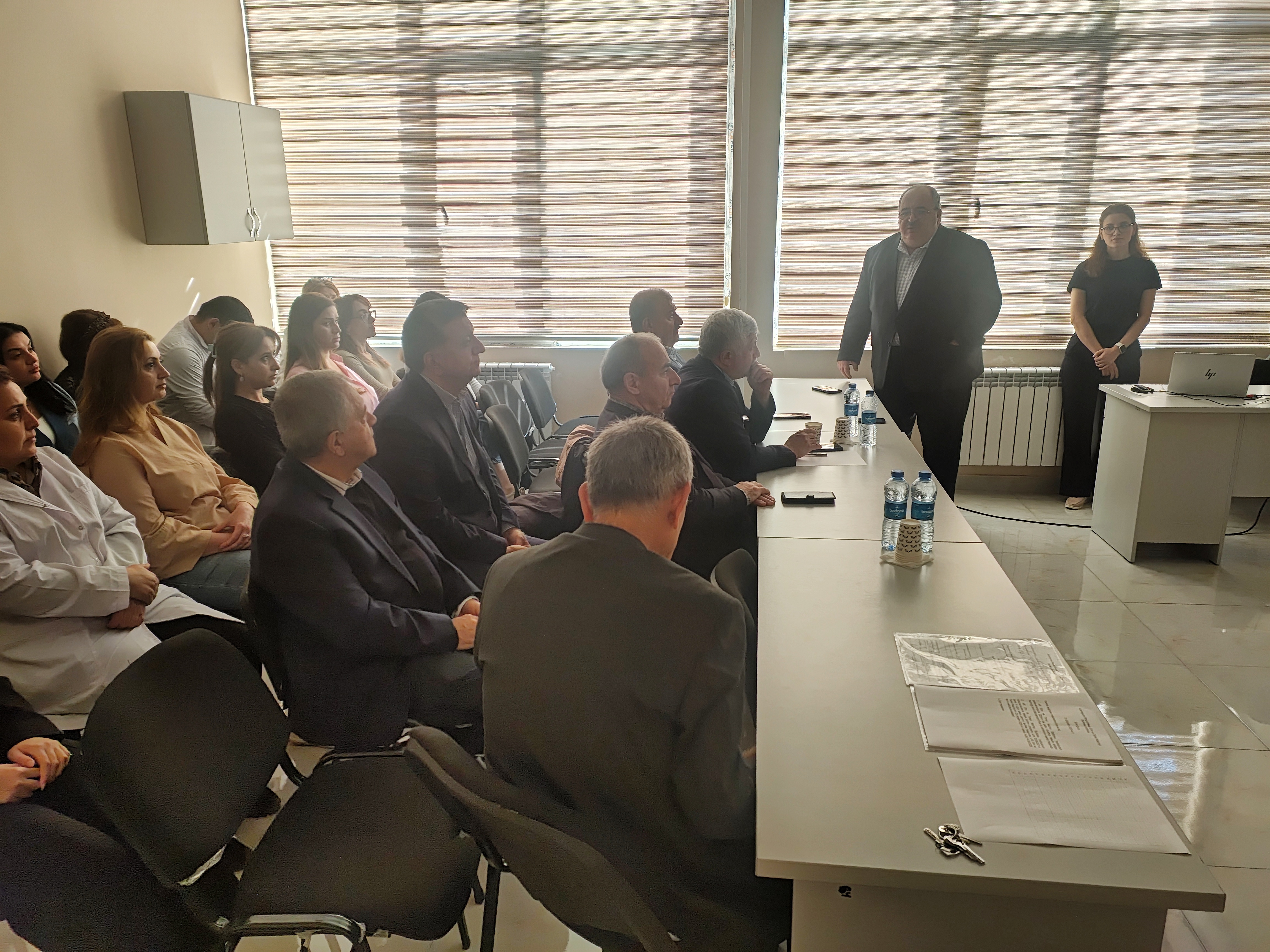
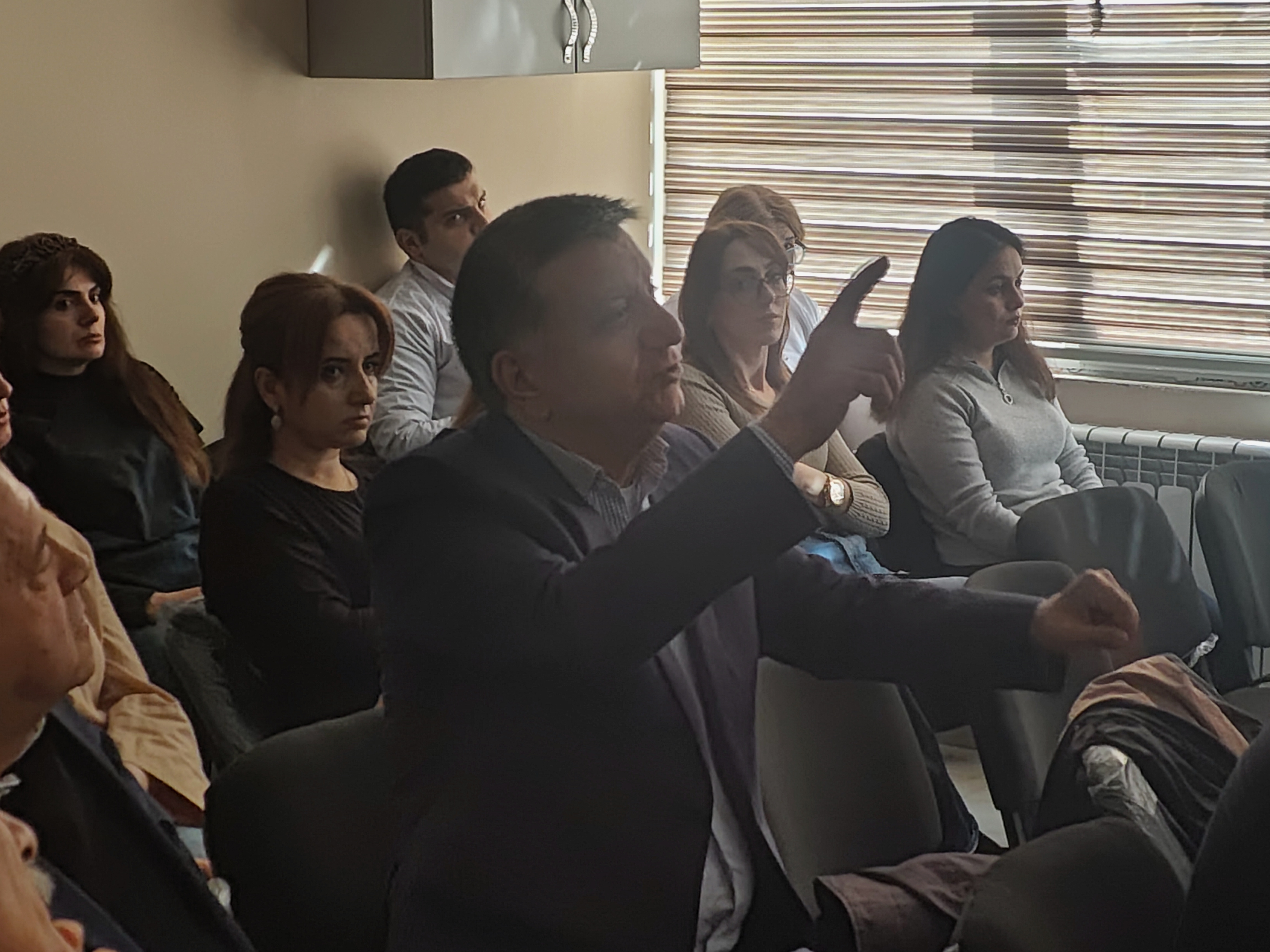
A scientific seminar dedicated to the 120th anniversary of the prominent chemist, academician Yusif Mammadaliyev, was held at the Institute of Biophysics of the Ministry of Science and Education of the Republic of Azerbaijan. The event focused on two topics: “The role of cytochrome C as a target for cancer prognosis and treatment” and “Kinetics of ABTS oxidation reaction catalyzed by cytochrome C.”
The seminar opened with a welcoming speech by the institute’s general director, corresponding member of ANAS, Oktay Gasimov, who greeted the participants and invited guests — Associate Professor of the Department of Biological Chemistry of the Azerbaijan Medical University, Akif Hajiyev, and junior researcher of the same department’s scientific laboratory, Hafiz Osmanov.
In his speech, Oktay Gasimov noted that the event was dedicated to the memory of academician Yusif Mammadaliyev, emphasizing his exceptional contribution to the development of Azerbaijani science:
“Academician Yusif Mammadaliyev made great contributions not only to the field of chemistry but also to the formation of the entire scientific environment in Azerbaijan. He was one of the first presidents of the Azerbaijan Academy of Sciences, rector of Baku State University, and founder of the Shamakhi Astrophysical Observatory. His scientific discoveries, especially in petrochemistry, made a significant contribution to the Soviet defense industry during World War II. For these achievements, Yusif Mammadaliyev was awarded state prizes.”
Gasimov also touched upon the relevance of the seminar’s topic, noting that cytochrome C is one of the main research objects in modern biomedicine and biophysics. According to him, this protein plays an important role both in the cell’s respiratory chain and in programmed cell death — apoptosis.
“Our young researchers are working in this direction, and in recent years it has been established that cytochrome C performs important functions not only in the outer cell membrane but also in the mitochondrial membrane,” he added.
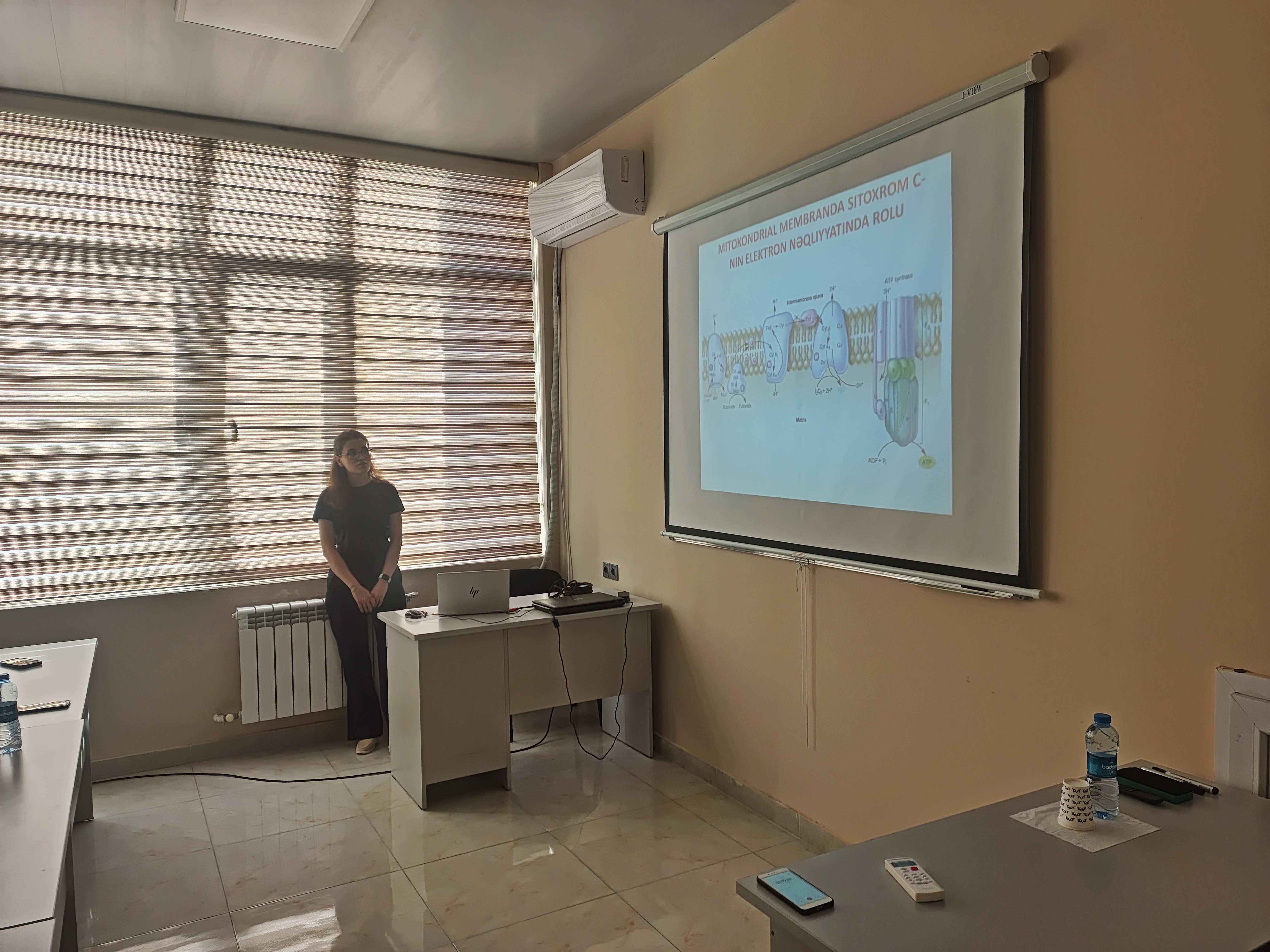
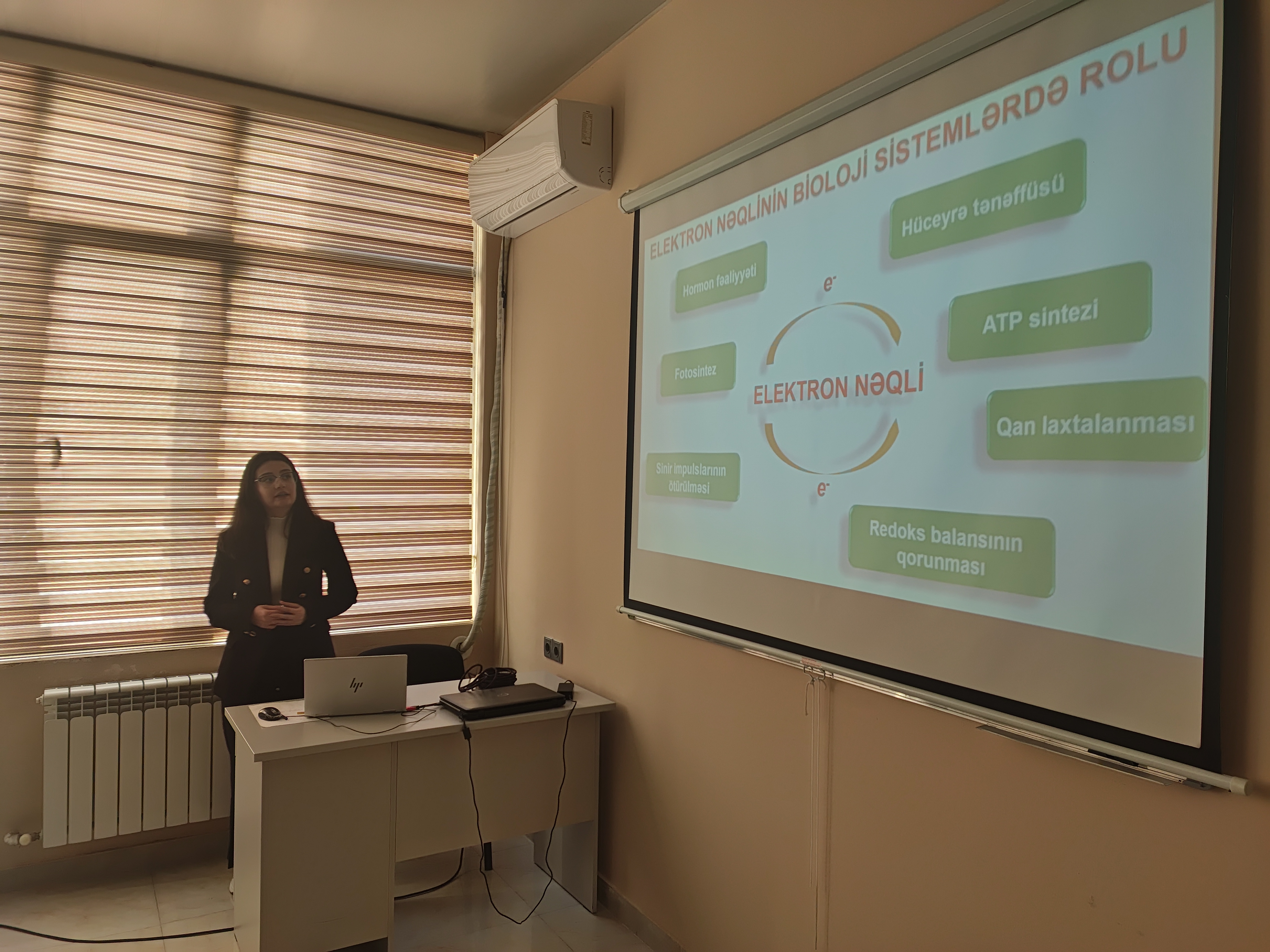
Then, junior researcher of the “Molecular and Cellular Biochemistry” laboratory, Sevda Mahmudova, presented her report on “The role of cytochrome C as a target for cancer prognosis and treatment.”
The study presented scientific evidence on the functions of cytochrome C in the mitochondrial electron transport chain and in apoptosis, as well as its significance as a biomarker in the prognosis and treatment of cancer. It was emphasized that changes in serum cytochrome C levels are associated with either inhibition or activation of apoptosis, and this indicator can serve as a promising biomolecule for monitoring cancer progression.
Sevda Mahmudova also conducted a bioinformatic analysis of cytochrome C, presenting comparative expression data across different cancer types obtained from the “TIMER” and “GEPIA-2” platforms. The report also described biosensor-based methods for determining cytochrome C levels in blood serum.
Later, junior researcher Fidan Gudratova delivered a presentation on “Kinetics of ABTS oxidation reaction catalyzed by cytochrome C.”
Her presentation discussed the electron transport and catalytic properties of cytochrome C, the kinetic changes occurring during ABTS oxidation, and analyses based on Michaelis–Menten kinetic parameters (Km, Kcat, Kcat/Km).
The results demonstrated that cytochrome C’s ability to catalyze ABTS oxidation aligns with characteristic features of biological catalytic systems. This suggests that cytochrome C can be regarded as a promising experimental model for studying the molecular mechanisms of apoptosis related to cancer.
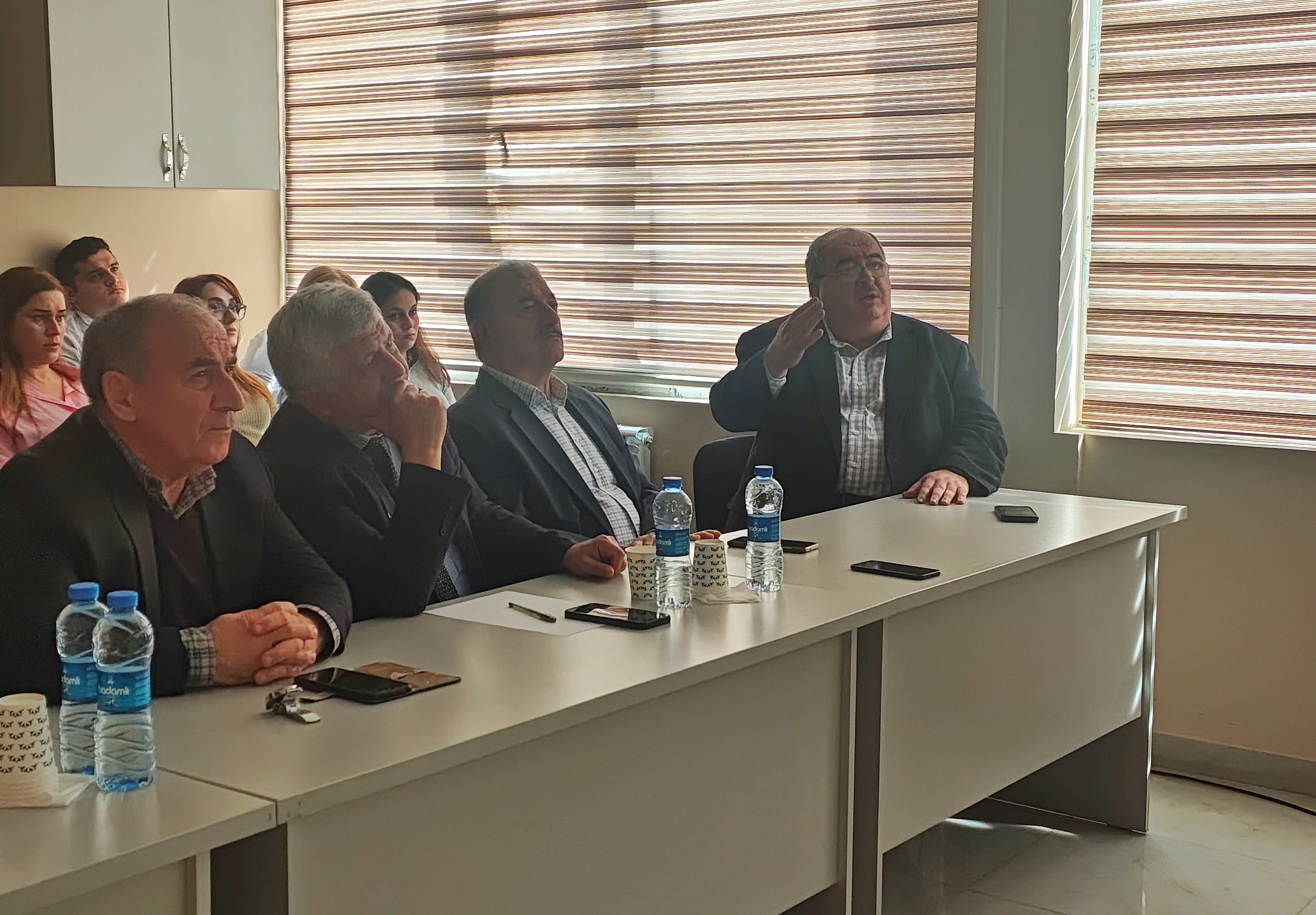
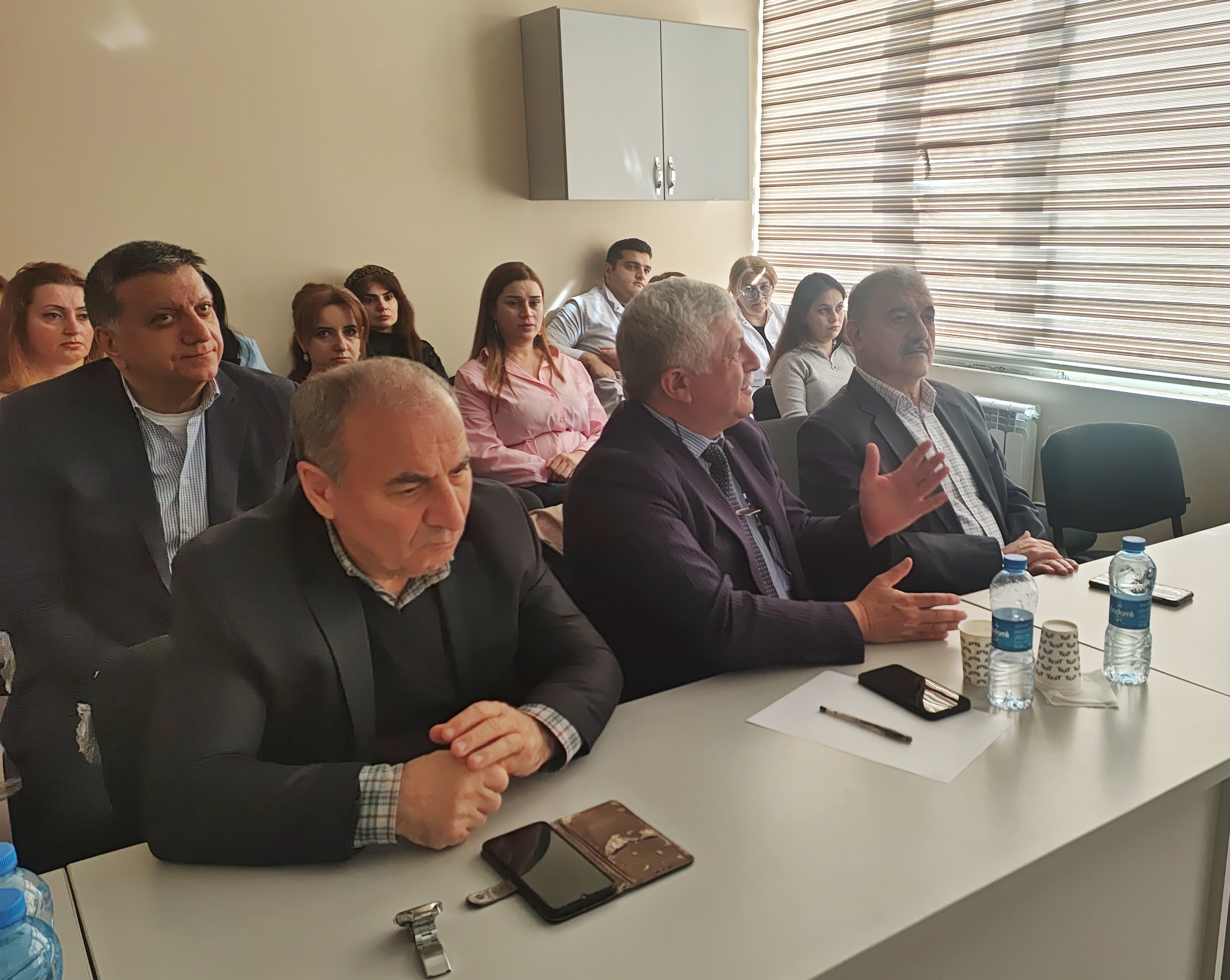
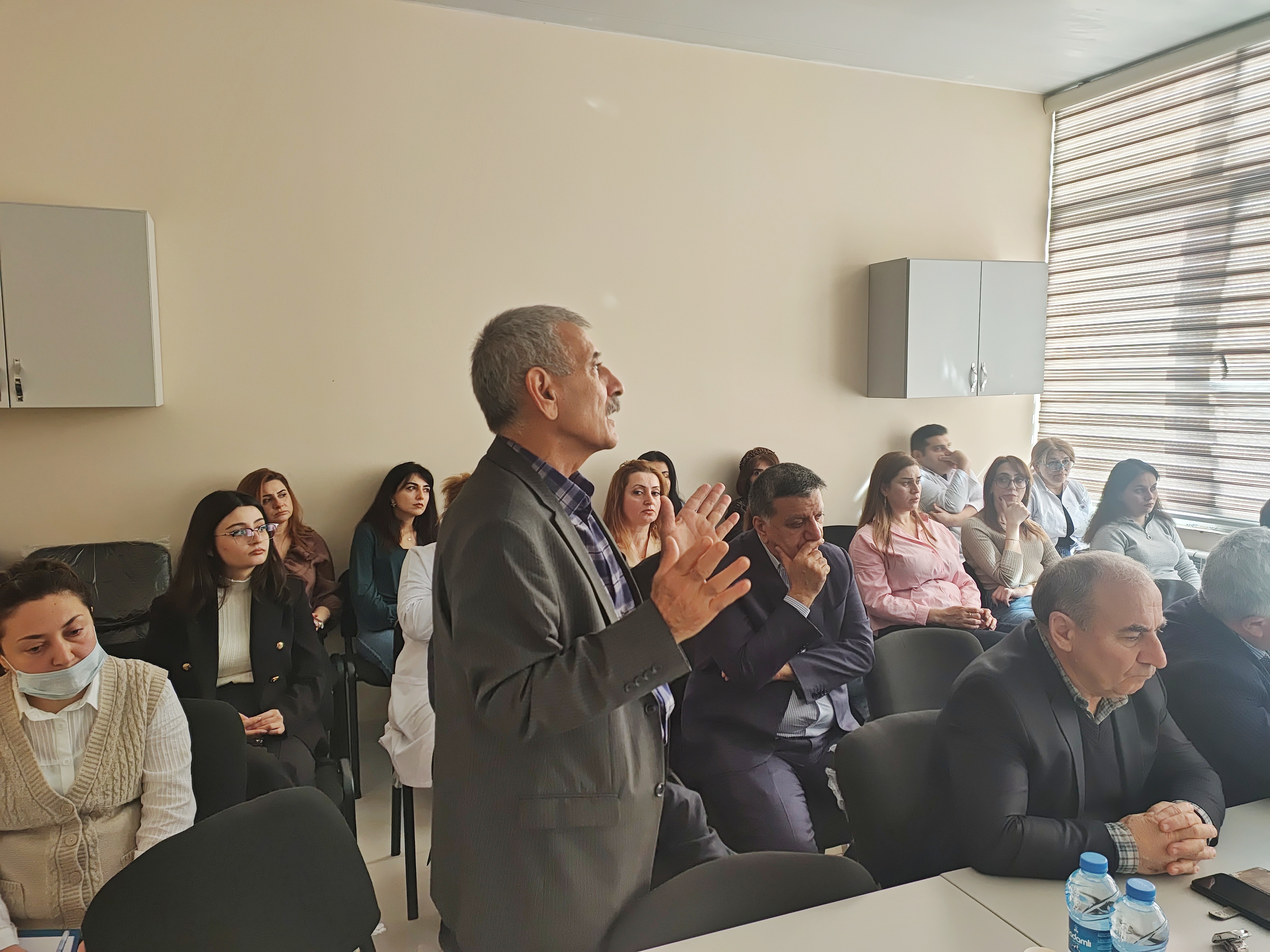
At the end of the seminar, a broad exchange of opinions took place, and various scientific suggestions were voiced. The presenters, Sevda Mahmudova and Fidan Gudratova, thoroughly answered the participants’ questions.
Finally, corresponding member of ANAS, Oktay Gasimov, thanked the young researchers for their interesting and scientifically valuable presentations. He emphasized the importance of continuing such research on an international level and wished the young scientists further success.