The report of the laboratories for 2025 was heard at the next meeting of the Scientific Council of the Institute of Biophysics

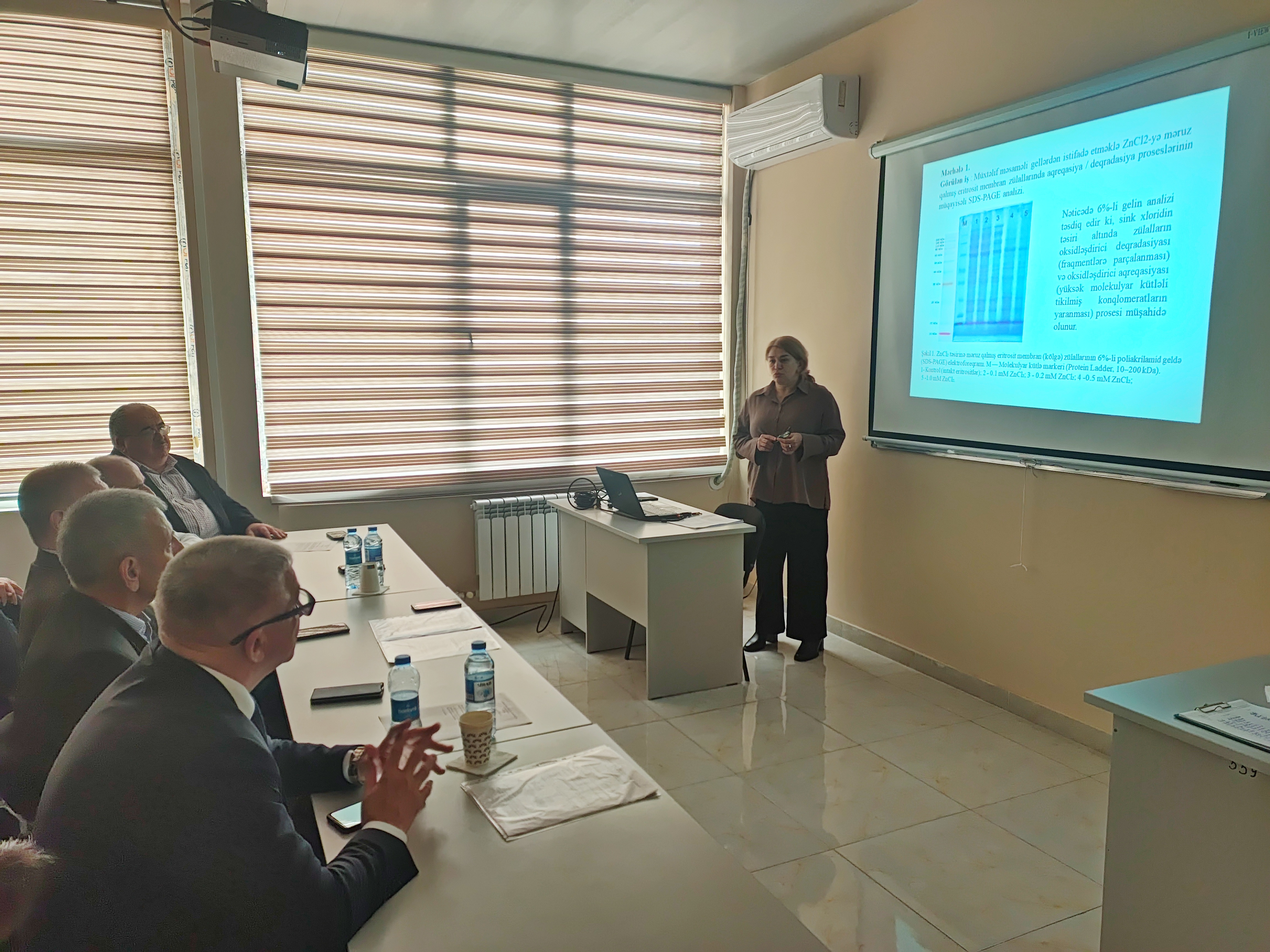
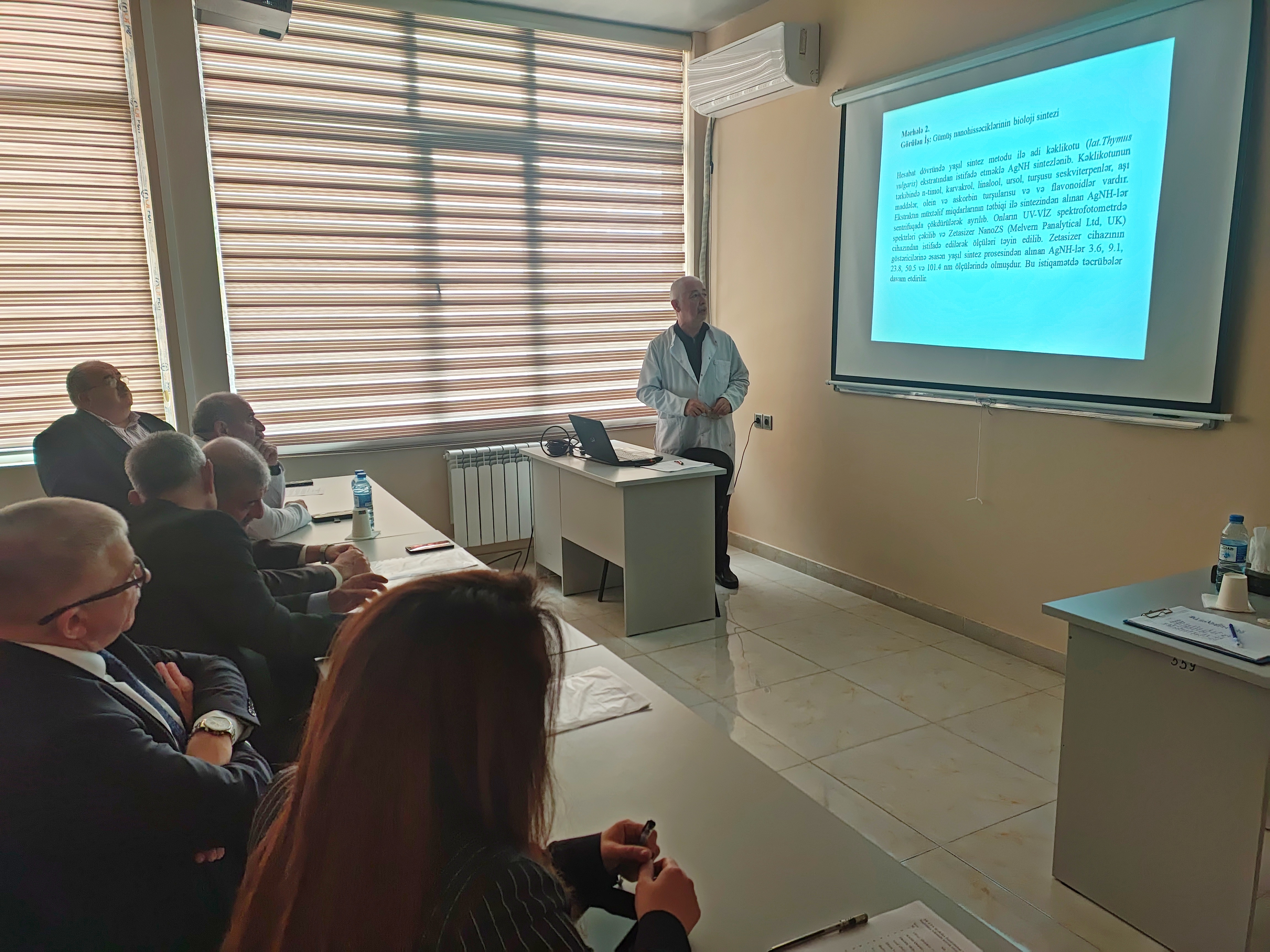
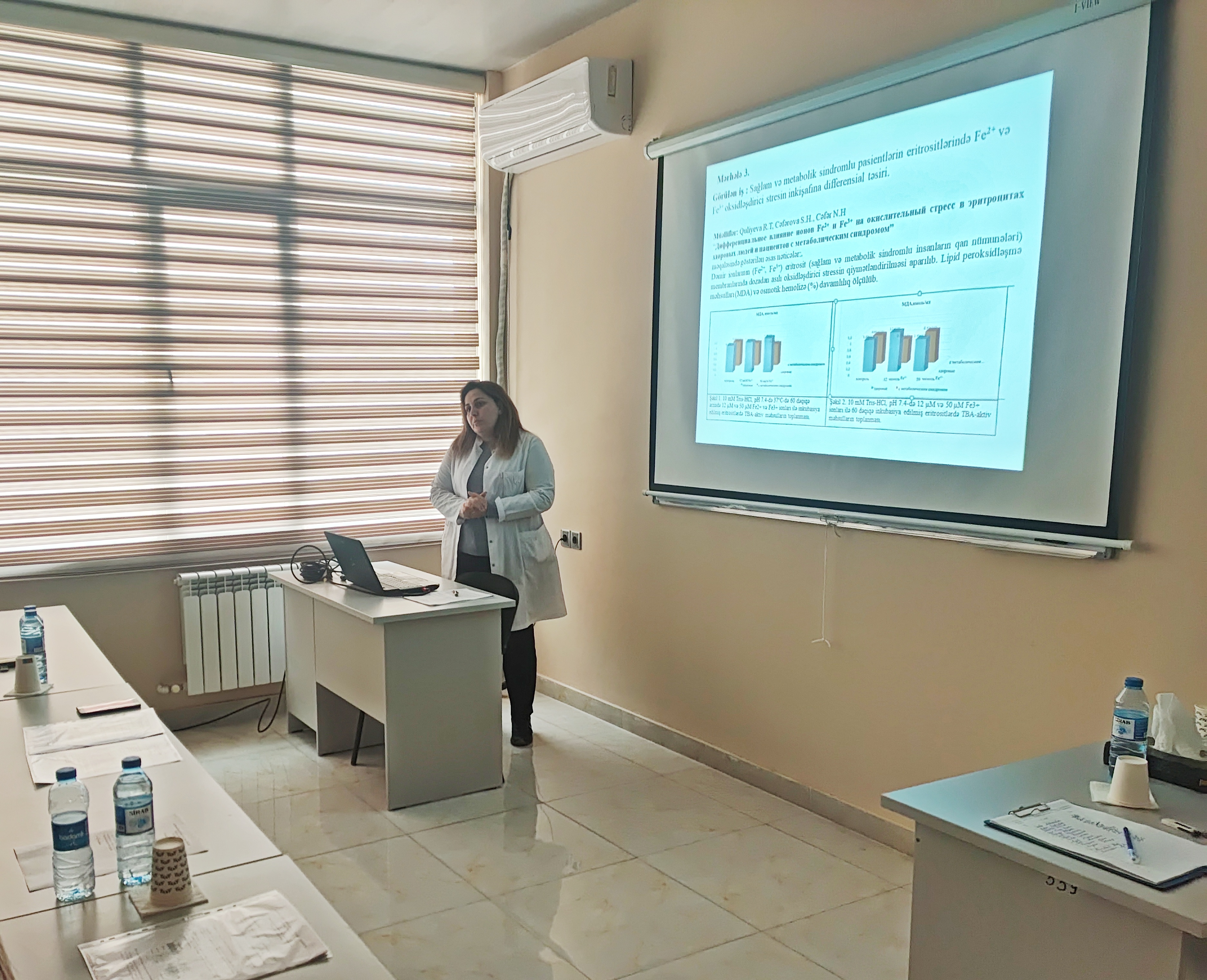
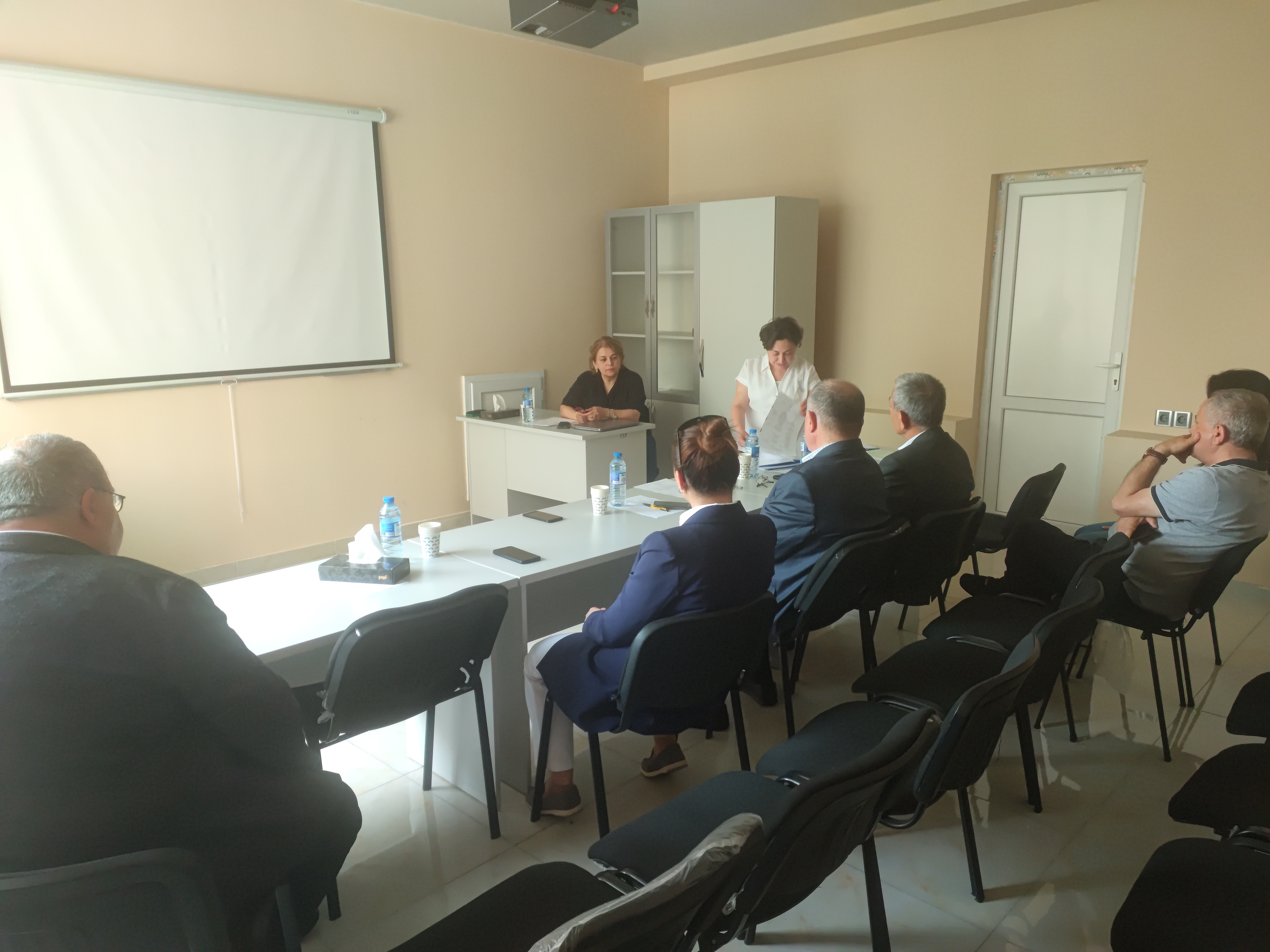
On November 25, 2025, a regular meeting of the Scientific Council was held at the Institute of Biophysics of the Ministry of Science and Education. The meeting was chaired by the Director-General of the Institute, Corresponding Member of ANAS, Professor Oktay Gasimov. During the session, the laboratories presented and discussed their annual reports for 2025.
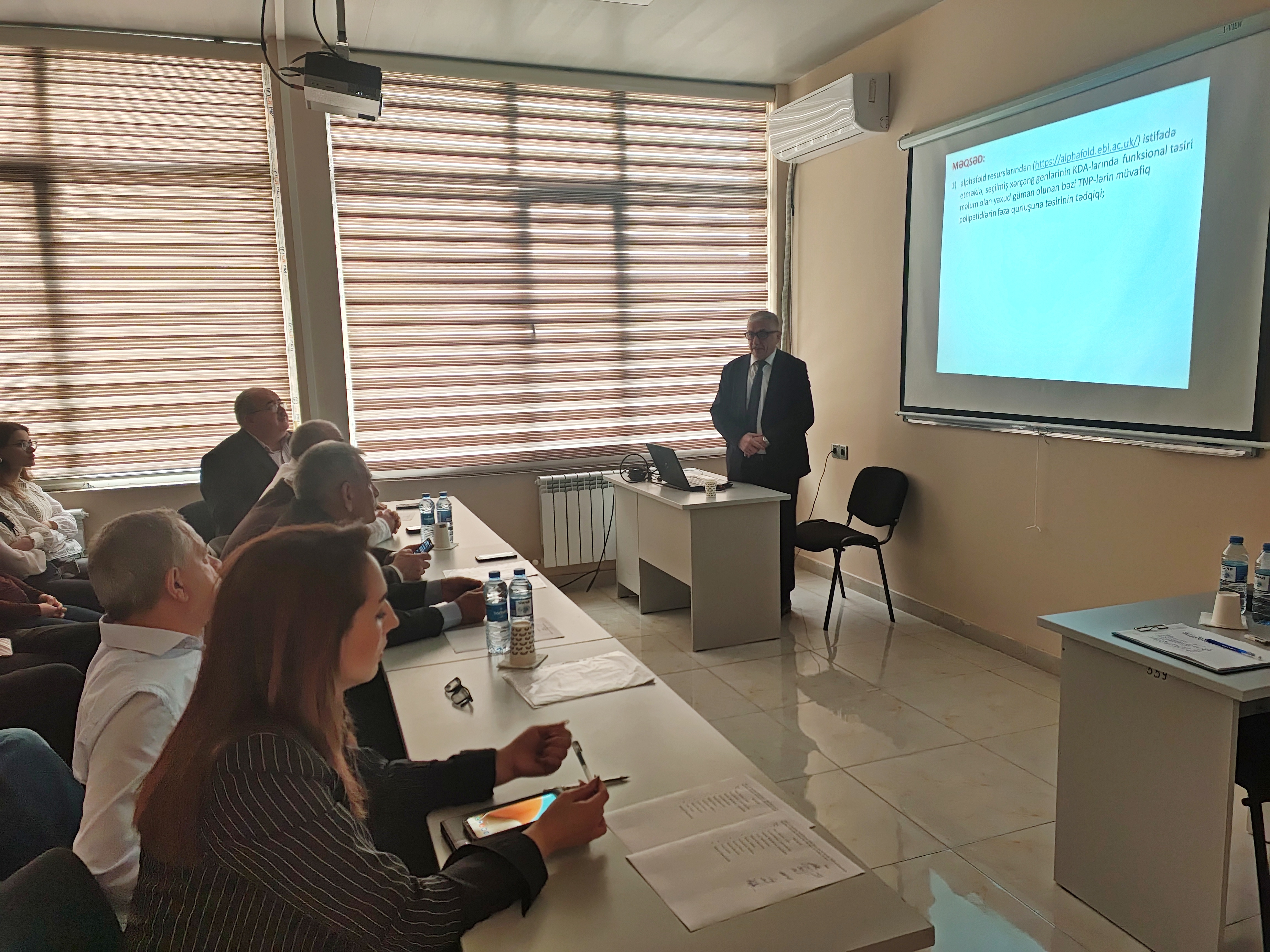
The first presentation was delivered by the head of the Integrative Biology Laboratory, Corresponding Member of ANAS, Doctor of Biological Sciences Ilham Shahmuradov. He reported on the research conducted during the year, noting that the effects of single nucleotide variations in cancer genes on the spatial structure of polypeptides were studied using AlphaFold resources, and that the diversity of mRNA, cDNA, and proteins arising from alternative transcription and splicing was analyzed on a genome-wide scale. The studies showed that frameshift mutations and changes in short tandem repeats increase protein hydrophobicity, while the reorganization of transmembrane regions significantly affects intracellular localization. Comprehensive analysis of AlphaFold models confirmed that such structural changes may give rise to new functional proteins.
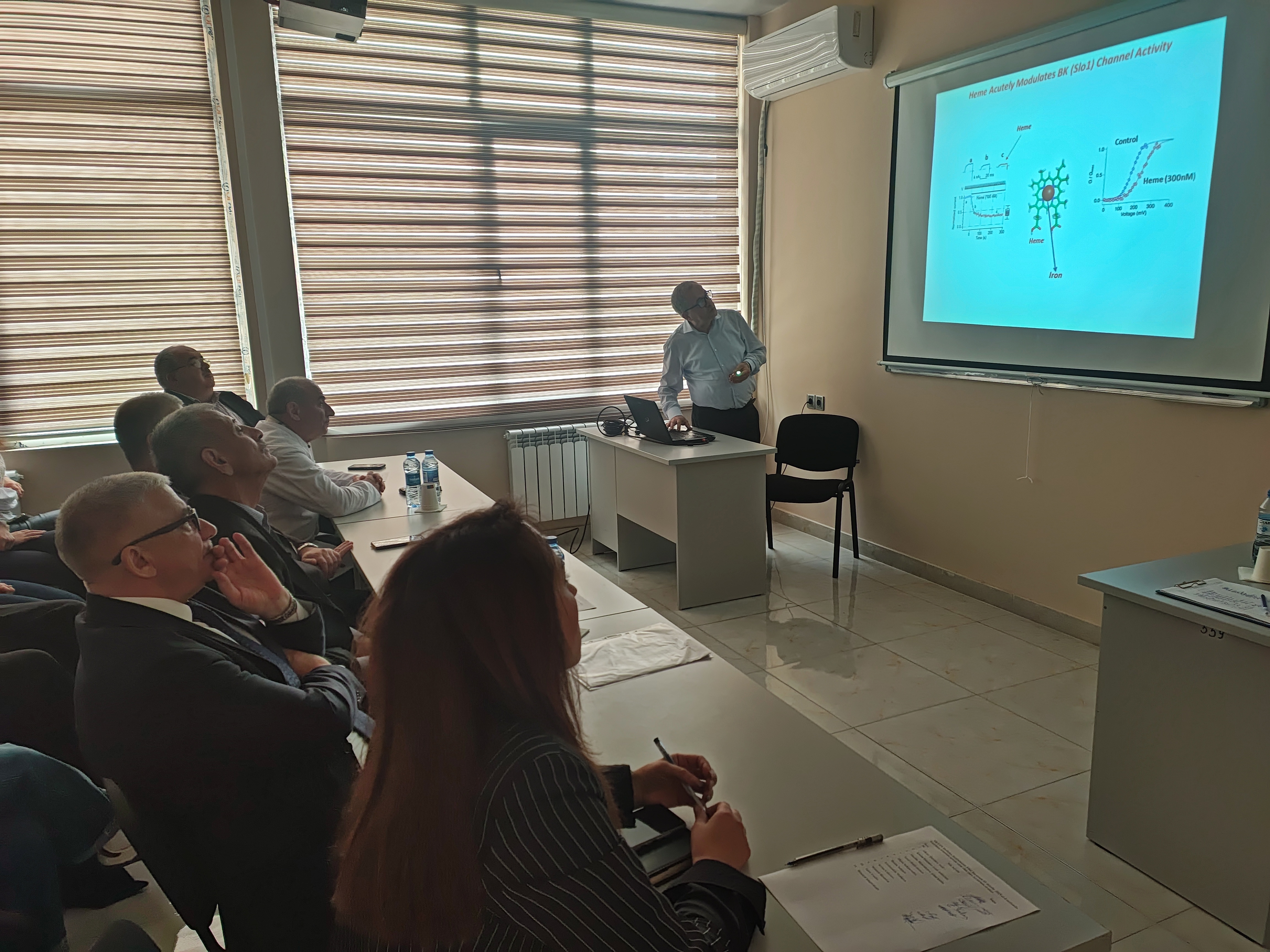
Next, the head of the Cell Signaling Laboratory, PhD in Biology, Associate Professor Taleh Yusifov, presented his report. He stated that the structural basis of BK channel modulation mediated by heme was examined using bioinformatic and biochemical approaches. The research demonstrated that the heme-sensitive region of the BK channel exhibits notable similarity to proteins of the cytochrome c family, and that residue Met691 in the human BK channel corresponds to Met80 in cytochrome c, which plays a crucial role in heme binding. Functional assays conducted in cell lines confirmed that this region exhibits peroxidase activity characteristic of cytochrome c, and kinetic parameters were measured precisely. Taleh Yusifov added that the ABTS oxidation system, which models electron transport reactions, serves as a highly useful tool for assessing the functional properties of cytochrome c and its role in various pathologies.
Following this, the head of the Laboratory of Biophysics of Physico-Chemical Stress Factors, PhD in Biology, Associate Professor Sevinj Jafarova, and laboratory members — PhD in Biology, Associate Professors Mursal Dadashov, Ruhiyya Guliyeva, and Florida Mehraliyeva — presented their annual reports. The effect of zinc chloride on aggregation and degradation processes of erythrocyte membrane proteins was evaluated using SDS-PAGE analyses, and it was determined that aggregation processes predominate under zinc chloride exposure.
Mursal Dadashov reported obtaining silver nanoparticles by green synthesis using thyme extract, noting that the particle size distribution ranged from 3.6 to 101.4 nm. His other studies showed that low-frequency electromagnetic fields induce oxidative stress in proteins, and these results were published in an international journal.
Ruhiyya Guliyeva investigated the effects of Fe²⁺ and Fe³⁺ ions on oxidative stress in erythrocytes of healthy individuals and patients with metabolic syndrome, and stated that lipid peroxidation levels and membrane stability exhibit dose-dependent sensitivity to the ions.
Florida Mehraliyeva studied the interaction of hydrogen peroxide with hemoglobin heme and the protective role of selenium in this process. She showed that inhibition of antioxidant enzymes accelerates heme destruction by H₂O₂, while selenium significantly slows this process and partially protects hemoglobin from oxidative damage.
The laboratory staff also presented information on citations to the scientific works of researchers, published articles, publishing activities, participation in conferences and seminars, and other scientific indicators achieved during the year.
At the end of the meeting, Professor Oktay Gasimov submitted the annual reports for voting, and the members of the Scientific Council unanimously approved the laboratories’ annual activities as satisfactory.